
How to Choose the Right Promotional Products Supplier for Your Australian Organisation
Learn how to find a reliable promotional products supplier in Australia with tips on quality, MOQs, turnaround times, and getting the best value.

Written by
Hudson Reyes
Seasonal & Holiday
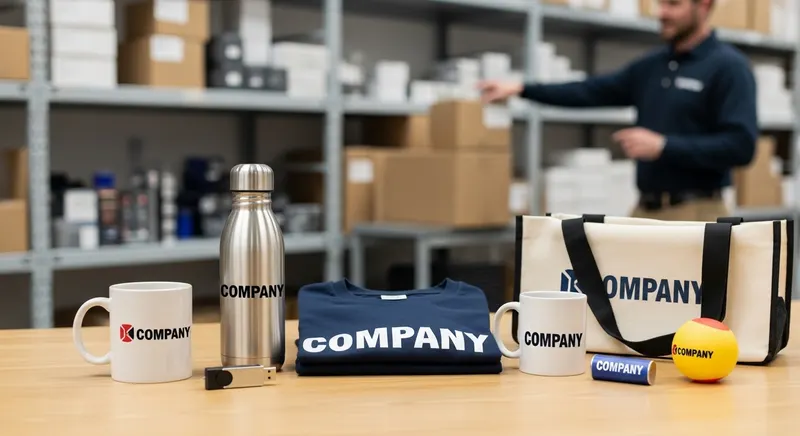
Choosing the right promotional products supplier can feel overwhelming — and for good reason. With dozens of options available to Australian businesses, schools, councils, and event organisers, the difference between a smooth, successful branded merchandise campaign and a stressful, budget-blowing disaster often comes down to one decision: who you partner with. Whether you’re a Sydney marketing manager ordering corporate gifts for an end-of-year function, a Melbourne sporting club kitting out your players for the season, or a Brisbane school preparing for a community fundraiser, working with the right supplier sets the foundation for everything else that follows.
This guide breaks down exactly what to look for, what questions to ask, and how to ensure your next order goes off without a hitch.
What Does a Promotional Products Supplier Actually Do?
Before diving into how to choose one, it’s worth understanding what a quality promotional products supplier actually offers. At its core, a supplier sources, customises, and delivers branded merchandise — products that carry your organisation’s logo, message, or artwork. But the best suppliers do far more than just slap a logo on a product.
A reputable supplier will help you select products that suit your audience and budget, advise on the most appropriate decoration method (whether that’s embroidery, screen printing, sublimation, laser engraving, or pad printing), manage artwork and proofing, coordinate production timelines, and ensure your finished products arrive on time and to specification.
Think of them less as a vendor and more as a branded merchandise partner. The relationship you build with a reliable supplier pays dividends across multiple campaigns and orders.
Key Factors to Evaluate When Selecting a Supplier
Product Range and Diversity
The breadth of a supplier’s catalogue matters — especially as your organisation’s needs evolve. A supplier worth working with should carry everything from custom polo shirts and tees to USB drives, travel mugs, waterproof bags, wide-brimmed hats, and even varsity jackets for schools and sporting clubs.
If your needs include seasonal items, make sure they can supply winter branded blankets and beanies for staff gifts or sun-protection gear for outdoor events. If sustainability is a priority for your brand — and in 2026, it absolutely should be — look for suppliers that offer recycled PET marketing giveaways and other eco-conscious options.
A diverse product range means fewer suppliers to manage and more consistency across your branded merchandise.
Quality Assurance and Product Standards
Not all promotional products are created equal. A low per-unit price might look attractive on a quote, but if the product quality doesn’t meet your expectations, it reflects poorly on your organisation. Ask suppliers about where their products are sourced, whether they hold stock locally in Australia, and what their quality control process looks like.
Request physical samples before committing to a bulk order. Any reputable promotional products supplier will accommodate sample requests — usually for a fee that’s credited back against your final order. This is especially important when ordering apparel, drinkware, or bags, where quality can vary significantly between manufacturers.
Decoration Methods and Capabilities
The way your logo is applied to a product matters just as much as the product itself. Different decoration methods produce vastly different results, and an experienced supplier will guide you toward the right technique for your chosen product and artwork.
For example, sublimation printing on custom shirts delivers vibrant, all-over designs that are ideal for sports uniforms or creative event merchandise. Screen printing is a cost-effective choice for large runs, while embroidery suits premium corporate apparel. Laser engraving works beautifully on drinkware, awards, and tech accessories. If you’re considering screen printing on custom mugs, make sure your supplier has the capability and experience to execute that specific application properly.
Understanding turnaround times for screen printing versus digital printing is also important when planning your campaign timeline — ask your supplier upfront about production lead times for each method.
Minimum Order Quantities
Minimum order quantities — commonly referred to as MOQs — are one of the most frequently misunderstood aspects of the promotional products industry. MOQs exist because most customisation processes (particularly screen printing and embroidery) involve setup costs that only become cost-effective at volume.
Typical MOQs in Australia range from as low as 25 units for some apparel items to 100–250 units for drinkware and accessories. Premium items like Titleist golf bags or thermos drinking bottles may have higher MOQs or different pricing structures.
If you’re a small business or not-for-profit with a modest budget, look for suppliers who cater to lower MOQs, or consider consolidating your product needs into fewer SKUs to reach volume thresholds more efficiently.
Turnaround Times and Reliability
Promotional products are almost always needed for a specific date — a conference, a product launch, a school event, a trade show. A supplier’s reliability and ability to meet deadlines is non-negotiable. Ask about standard production times, rush order options, and how they communicate when issues arise.
In general, standard production in Australia runs between 7 and 15 business days after artwork approval, with rush options often available at an additional cost. Import lead times can extend this significantly for products sourced overseas, so if you have a hard deadline, confirm this early.
Also ask whether the supplier maintains Australian warehouse stock. Local stock dramatically reduces lead times and removes the risk of customs delays — a critical consideration for time-sensitive campaigns.
Artwork Support and Proofing Process
Good suppliers have in-house graphic design support or, at minimum, a clear artwork brief and proofing process. Before production begins, you should receive a digital proof showing exactly how your logo will appear on the product — including size, placement, and colour.
If your branding uses specific Pantone (PMS) colours, confirm whether the supplier can match them accurately for your chosen decoration method. Colour accuracy is particularly important for organisations with strict brand guidelines.
Understanding Pricing and Value
How Promotional Products Pricing Works
Promotional product pricing is typically tiered — the more units you order, the lower the per-unit cost. This is why it’s often more economical to order slightly more than you need rather than placing multiple smaller orders. Setup fees (covering screen charges, embroidery digitisation, or plate creation) are usually one-off costs that don’t recur when you reorder the same design.
Ask for itemised quotes that break out the product cost, setup fees, decoration cost, freight, and GST. This transparency makes it easier to compare quotes fairly across different suppliers.
White Label and Reseller Options
If you’re an agency, marketing consultant, or distributor looking to offer branded merchandise as part of your service offering, ask suppliers about their white label promotional products for reseller businesses. Many Australian suppliers offer trade pricing and white-label fulfilment, meaning you can present the products under your own brand without the end client knowing who the manufacturer is.
Beyond the Basics: Niche and Specialty Products
A strong promotional products supplier should be able to source beyond the standard pen-and-notepad range. Depending on your industry and audience, you might need:
- Eco-friendly items: Bamboo stationery, reusable bags, recycled drinkware, or solar-powered branded calculators for green office promotions
- Outdoor and leisure merchandise: Gym towels, straw tote bags, or custom sports equipment
- Vehicle branding: Some suppliers extend into vehicle logo and decal applications, which pairs well with broader brand campaigns
- Print and sticker products: Flat print items like custom stickers and print-ready sticker files can complement three-dimensional merchandise in trade show kits and retail packaging
Having a single supplier who can manage multiple product types simplifies procurement significantly and ensures brand consistency across your entire merchandise suite.
Red Flags to Watch For
Even with strong due diligence, some suppliers fall short. Watch for these warning signs:
- No physical samples available: Any supplier unwilling to provide samples before a bulk order should give you pause.
- Vague turnaround commitments: “Approximately 2–3 weeks” without a guaranteed dispatch date is a recipe for missed deadlines.
- No artwork proof provided: Never approve a production run without seeing a confirmed digital proof.
- Poor communication: If getting answers before the sale is difficult, post-sale support will likely be worse.
- Hidden fees: Always ask for fully itemised quotes and confirm what’s included in freight charges.
Building a Long-Term Supplier Relationship
The best outcomes in promotional merchandise come from long-term supplier partnerships, not one-off transactions. When a supplier understands your brand, your audience, and your typical needs, they can proactively suggest new products, alert you to stock availability issues, and prioritise your orders during busy periods.
For Australian organisations that run regular campaigns — annual conferences, seasonal staff gifts, new employee welcome kits — a consistent supplier relationship saves time, reduces risk, and often results in better pricing over time.
Be transparent with your supplier about your annual merchandise budget and planned campaigns. The more context they have, the better they can serve you.
Conclusion: Finding the Right Promotional Products Supplier Takes Research, Not Luck
Selecting a promotional products supplier isn’t something to rush. The right partner will save your organisation time, money, and stress — while helping your brand show up consistently and professionally across every product you put into the world.
Here are the key takeaways to keep in mind:
- Evaluate product range: Look for suppliers who can handle your full range of needs, from apparel and drinkware to eco-friendly items and tech accessories
- Prioritise quality over price alone: Request samples, check product standards, and review decoration capabilities before committing to bulk orders
- Understand the full cost: Get itemised quotes that include setup fees, freight, and GST — don’t compare on unit price alone
- Ask about turnaround times upfront: Confirm production lead times, rush options, and whether Australian stock is available for tight deadlines
- Build a long-term relationship: The more your supplier understands your brand and goals, the more value they’ll deliver over time
Take your time, ask the right questions, and don’t settle for a supplier who treats your order as just another transaction. The right promotional products supplier will feel like an extension of your team.